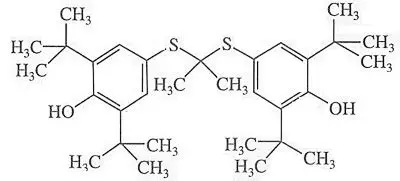
阿尔茨海默病(AD)、帕金森病(PD)、亨廷顿病(HD)是三种最常见的神经退行性疾病,其发病机制虽各有侧重,但氧化应激始终贯穿疾病全过程。普罗布考基于其强效抗氧化特性,在多种退行性疾病模型中均表现出神经保护活性,或可成为跨越不同病理机制的“共通钥匙”。
阿尔茨海默病:从胆固醇稳态到突触可塑性
大脑胆固醇代谢紊乱与Aβ沉积、Tau过度磷酸化密切相关。有研究指出,载脂蛋白E(ApoE)在维持大脑胆固醇稳态中起重要作用,其功能异常可增加AD风险。有动物实验中发现,普罗布考可防止血管内Aβ注射引起的认知和突触损伤。临床研究方面,研究人员观察到普罗布考可显著增加脑脊液中ApoE水平,同时降低脑脊液中磷酸化Tau181和Aβ1-42浓度,改善AD患者的认知障碍。并且普罗布考通过增加海马树突棘密度、上调突触后致密蛋白95(PSD95),增强突触可塑性。国内临床联合用药研究显示,普罗布考与多奈哌齐或美金刚联用,疗效优于单药治疗,且不增加不良反应。PICASSO试验的认知亚组分析亦提示,普罗布考联合西洛他唑在预防认知功能下降方面表现出有利效果。
帕金森病:拯救多巴胺神经元
6-羟基多巴胺(6-OHDA)诱导的PD模型中证实,普罗布考通过上调过氧化氢酶及谷胱甘肽过氧化物酶(GPx)活性、下调酪氨酸羟化酶(TH)的异常表达,保护黑质多巴胺神经元。此外,大脑对过量锰的蓄积尤为敏感,可诱发帕金森症状。有体外实验中发现,普罗布考可阻止锰诱导的线粒体呼吸链复合物I和II抑制,减少细胞内ROS生成,从而保护神经细胞。
亨廷顿舞蹈症:抗抑郁与抗氧化协同
HD是由突变亨廷顿蛋白(mHTT)聚集引起的常染色体显性遗传病,氧化应激与线粒体功能障碍是神经元死亡的关键环节。在HD细胞模型中发现,普罗布考可减少ROS及脂质过氧化物生成,阻止氧化应激和兴奋性毒性导致的神经元死亡;其后续研在3-硝基丙酸诱导的HD大鼠模型中进一步证实,普罗布考可增加纹状体GPx活性,减轻运动障碍和纹状体氧化应激。值得注意的是,HD患者常合并抑郁的研究发现,普罗布考可通过恢复海马神经元网络结构与功能,改善HD早期的抑郁样行为,体现“神经保护+情绪调节”的双重效益。
共同的靶点:GPx1激活
上述三种疾病模型均观察到普罗布考通过上调/激活GPx发挥保护作用。Molecular Neurobiology期刊上的研究首次揭示:普罗布考可直接激活GPx1酶活性,而不依赖其蛋白表达水平的上调。该研究通过分子对接及酶动力学实验证实,普罗布考与GPx1活性位点特异性结合,增强其对过氧化物的亲和力。这一发现为普罗布考提供了全新的分子靶点,也解释了其对多种氧化应激相关退行性疾病的广谱保护效应。因此,普罗布考或可作为“老药新用”的代表,填补退行性疾病缺乏有效抗氧化干预的空白。
参考文献
[1] Judes Poirier, Justin Miron, Cynthia Picard, et al. Apolipoprotein E and lipid homeostasis in the etiology and treatment of sporadic Alzheimer's disease[J]. Neurobiology of Aging, 2014, 35(Suppl 2): S3-S10.
[2] Danubia B Santos, Kaite C Peres, Renata P Ribeiro, et al. Probucol, a lipid-lowering drug, prevents cognitive and hippocampal synaptic impairments induced by amyloid β peptide in mice[J]. Experimental Neurology, 2012, 233(2): 767-775.
[3] Yaru Xie, Anni Song, Yuting Zhu, et al. Effects and mechanisms of probucol on aging-related hippocampus-dependent cognitive impairment[J]. Biomedicine & Pharmacotherapy, 2021, 144: 112266.
[4] 朱佳,陈菲,美丽班娜,等. 普罗布考联合多奈哌齐治疗阿尔茨海默病的疗效[J]. 中国继续医学教育,2021, 13(09): 165-168.
[5] 涂艳,周薇. 普罗布考联合美金刚治疗阿尔茨海默病的效果和安全性评价[J]. 中国医院药学杂志,2017, 37(10): 976-979.
[6] Jae-Sung Lim, Sun U Kwon, Kyung-Ho Yu, et al. Cilostazol and probucol for cognitive decline after stroke: a cognitive outcome substudy of the PICASSO trial[J]. Journal of Stroke, 2021, 23(1): 128-131.
[7] Renata Pietsch Ribeiro, Eduardo Luiz Gasnhar Moreira, Danubia Bonfanti Santos, et al. Probucol affords neuroprotection in a 6-OHDA mouse model of Parkinson's disease[J]. Neurochemical Research, 2013, 38(3): 660-668.
[8] Erica Blenda da Silva, Tuany Eichwald, Viviane Glaser, et al. Protective effects of probucol on different brain cells exposed to manganese[J]. Neurotoxicity Research, 2022, 40(1): 276-285.
[9] Dirleise Colle, Juliana M Hartwig, Félix A Antunes Soares, et al. Probucol modulates oxidative stress and excitotoxicity in Huntington's disease models in vitro[J]. Brain Research Bulletin, 2012, 87(4-5): 397-405.
[10] Dirleise Colle, Danúbia Bonfanti Santos, Eduardo Luiz Gasnhar Moreira, et al. Probucol increases striatal glutathione peroxidase activity and protects against 3-nitropropionic acid-induced pro-oxidative damage in rats[J]. PLoS One, 2013, 8(6): e67658.
[11] Cristine de Paula Nascimento-Castro, Ana Claudia Wink, Victor Silva da Fônseca, et al. Antidepressant effects of probucol on early-symptomatic YAC128 transgenic mice for Huntington's disease[J]. Neural Plasticity, 2018, 2018: 4056383.
[12] Danúbia B Santos, Dirleise Colle, Eduardo L G Moreira, et al. Probucol protects neuronal cells against peroxide-induced damage and directly activates glutathione peroxidase-1[J]. Molecular Neurobiology, 2020, 57(8): 3245-3257.